Choosing the right mastic melter improves productivity and consistency when working with thick, aggregate-filled materials. This guide highlights hot mastic melters designed specifically for 2026, summarizing core features, operation, specifications, and practical benefits for asphalt repair and maintenance using mastic materials.
What Are Hot Mastic Melters and Their Key Features?
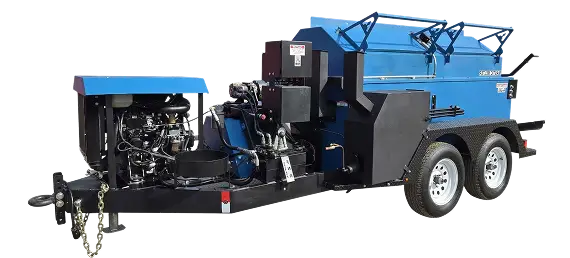
Hot mastic melters heat and dispense thick, aggregate-filled mastic materials used for durable pavement repair and waterproofing. Unlike standard crack sealers, mastic melters handle heavier, more viscous materials that include aggregate for enhanced strength and longevity. Common design features include:
- Air-Jacketed Design: Promotes even heating and prevents material degradation, critical for thick mastics.
- Automatic Temperature Controls: Maintain precise setpoints to ensure proper melting and flow of aggregate-filled materials.
- Full Sweep Hydraulic Agitator: Keeps the heavy mastic uniform and prevents aggregate separation.
A&A Melters manufactures models such as the MM-240 Mastic Melter specifically engineered to meet the demands of mastic melters for contractors.
How Do Mastic Melters Operate Differently from Standard Crack Sealer Machines?
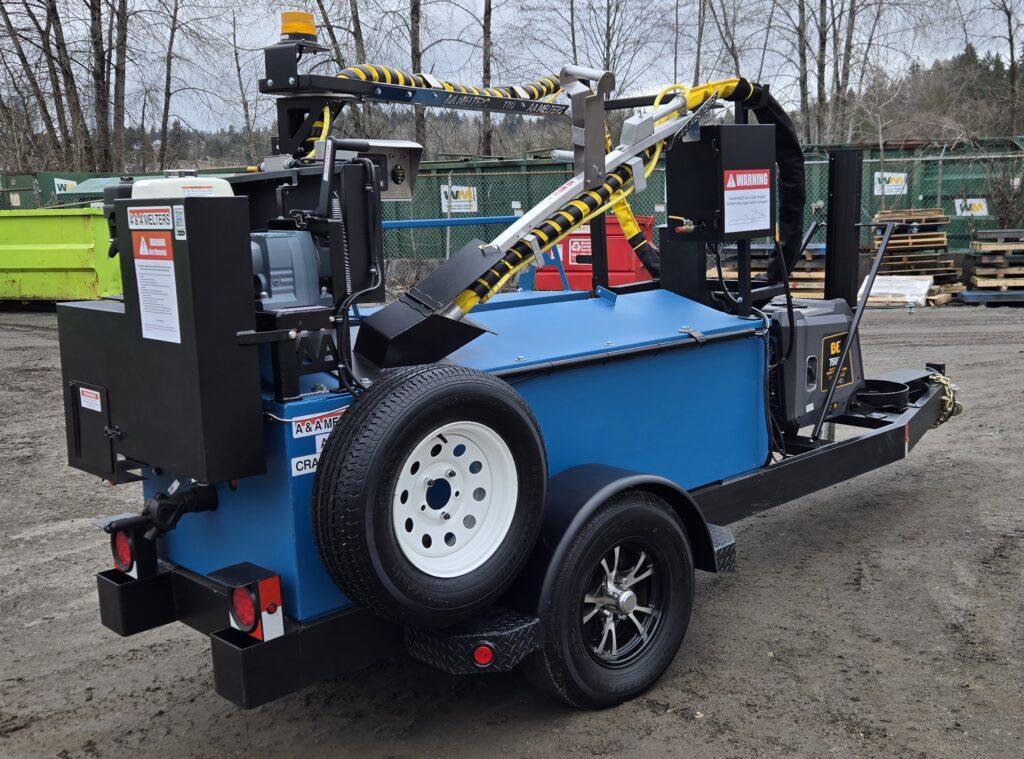
Mastic melters heat thick, aggregate-laden materials in a tank to a target temperature and maintain it for consistent application. Due to the heavier consistency, these melters feature stronger agitation and more robust heating systems compared to standard crack sealers. Once at temperature, mastic can be poured or applied with specialized tools designed for thick materials.
- Enhanced Agitation Systems: Prevent settling of aggregate and maintain material consistency
- Robust Heating Elements: Provide sufficient heat to melt and maintain the viscosity of thick mastics.
These features reduce downtime and ensure high-quality, durable repairs.
How Do Mastic Melters Enhance Contractor Efficiency?
Mastic melters speed repairs and extend pavement life by reliably heating and applying thick, aggregate-filled materials. Benefits include:
- Time-Saving Features: Faster heat-up and strong agitation reduce labour time per job.
- Improved Application Quality: Uniform material consistency ensures durable, long-lasting repairs.
- Cost-Effectiveness: Early, effective repairs prevent costly pavement failures.
Advanced mastic melters raise throughput and improve long-term surface performance.
What Are the Application Techniques for Optimal Mastic Asphalt Repair?
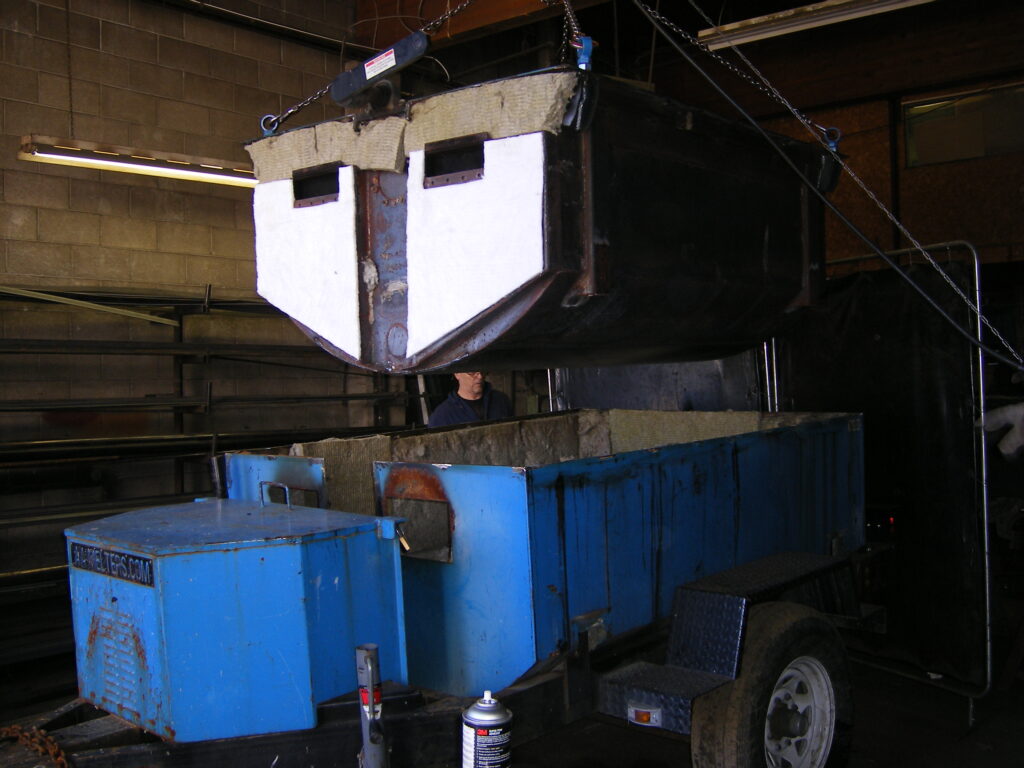
Durable results follow proper technique when working with thick mastics. Core best practices:
- Surface Preparation: Remove debris and moisture to ensure strong adhesion.
- Temperature Management: Heat mastic to the recommended range to achieve proper bond without degrading aggregate.
- Application Method: Use pour pots or specialist applicators designed for thick, aggregate-filled materials to ensure deep, even fill.
Following these steps reduces rework and extends repair life.
What Benefits Do Contractors Gain from Using Advanced Mastic Melters?
Modern mastic melters yield clear operational advantages:
- Increased Efficiency: Faster heat-up and easier application speed project completion.
- Enhanced Quality: Controlled heating and agitation produce uniform, aggregate-rich applications.
- Cost Savings: Reduced waste and improved application lower material and labour costs.
Equipment from A&A Melters is designed to support these outcomes.
How Does Energy Efficiency Reduce Operational Costs?
Energy-efficient mastic melters lower fuel use, cut maintenance, and deliver cumulative savings that offset initial purchase costs.
- Lower Fuel Consumption: Reduced operating expenses over time.
- Reduced Maintenance Costs: Simpler, better-insulated designs often require less upkeep.
- Long-Term Savings: Energy savings and reliability improve total cost of ownership.
What Are the Environmental Compliance Advantages in 2026?
Newer mastic melters help contractors meet tightening environmental rules by reducing emissions and supporting sustainable practices:
- Reduced Emissions: Cleaner combustion and controls lower exhaust.
- Sustainable Practices: Using greener materials and methods can enhance client appeal.
- Compliance with Local Regulations: Modern equipment helps avoid fines and delays.
How Can Contractors Request Quotes and Choose the Right Mastic Melter?
Follow a simple selection process:
- Identify Needs: Define project types, volumes, and mobility requirements specific to mastic materials.
- Request Quotes: Contact suppliers such as A&A Melters for proposals.
- Compare Options: Evaluate capacity, temperature range, fuel type, features, and price.
Compare total cost of ownership as well as immediate purchase price to make an informed choice.
What Factors Should Be Considered When Selecting Hot Mastic Melters?
Key considerations are:
- Performance Criteria: Ensure heating capacity and temperature range meet the demands of thick, aggregate-filled mastics.
- Material Compatibility: Confirm compatibility with the specific mastic and aggregate materials you use.
- Cost-Effectiveness: Balance initial cost against operational savings and downtime reduction.
A careful evaluation ensures equipment delivers required performance and long-term value.
Frequently Asked Questions
What maintenance is required for hot mastic melters?
Perform routine checks on heating elements, controls, hydraulics, and fuel lines. Clean tanks and agitators after use and follow the manufacturer’s service schedule to prevent buildup and identify issues early, especially due to the thicker, aggregate-filled materials.
What safety precautions should contractors take when using mastic melters?
Use heat-resistant PPE (gloves, goggles, protective clothing), ensure ventilation, train operators in handling hot, thick materials, and keep fire extinguishers to manage thermal and fire risks.
How do I determine the right size of mastic melter for my projects?
Estimate typical mastic volume per job and choose a capacity that minimises refill downtime for your workload, larger units for frequent, high-volume work; compact models for occasional or small jobs.
What are the differences between propane and diesel mastic melters?
Propane units typically heat faster and are easier to move, with generally lower emissions; diesel units often offer larger capacity and longer run times. Choose based on job scale, fuel availability, and operating costs.
Can mastic melters be used for materials other than mastic?
Some models accept related thick sealants; always verify the manufacturer’s material compatibility to avoid equipment damage and poor application results.
What advancements in technology are influencing mastic melter design?
Improvements include better insulation, advanced temperature controls, and automated features that increase efficiency, safety, and consistency while lowering emissions.
How can contractors ensure compliance with environmental regulations when using mastic melters?
Stay informed of local standards, choose low-emission equipment, use preferred materials, implement best-practice methods, train staff, and keep material and process records for compliance